


product specification
| Product Name | Butterfly Valve | Body/Disc Material | Stainless Steel |
| Type | Wafer | Shaft | SS304/SS316 |
| Size | DN50-DN600 | Seal | PTFE |
| Operation | Handle/Worm gear/Electric/Hydraulic/Peneumatic | Standard | DIN/ANSI/GOST/JIS/BS |
product description
Butterfly valves are widely used in various industrial applications due to their unique features and versatility. These valves come in different types, such as wafer type, lug type, and triple - offset butterfly valve, each designed to meet specific operational requirements.
The wafer type butterfly valve is known for its compact design, making it easy to install between flanges in a pipeline. It is commonly used in systems where space is limited. On the other hand, the lug type butterfly valve has threaded inserts, allowing for easy installation and removal without disturbing the entire pipeline. The triple - offset butterfly valve is designed for high - performance applications, offering excellent sealing capabilities and low torque requirements.
Many butterfly valves can be equipped with an actuator, which enables remote or automated operation. This is particularly useful in large - scale industrial plants where precise control of fluid flow is necessary. Butterfly valve prices vary depending on factors like size, type, and the quality of materials used. For example, a 4 - inch butterfly valve may have a different price range compared to a 6 - inch one.

In summary, butterfly valves play a crucial role in regulating fluid flow in the valve industry, providing efficient and reliable solutions for a wide range of applications.
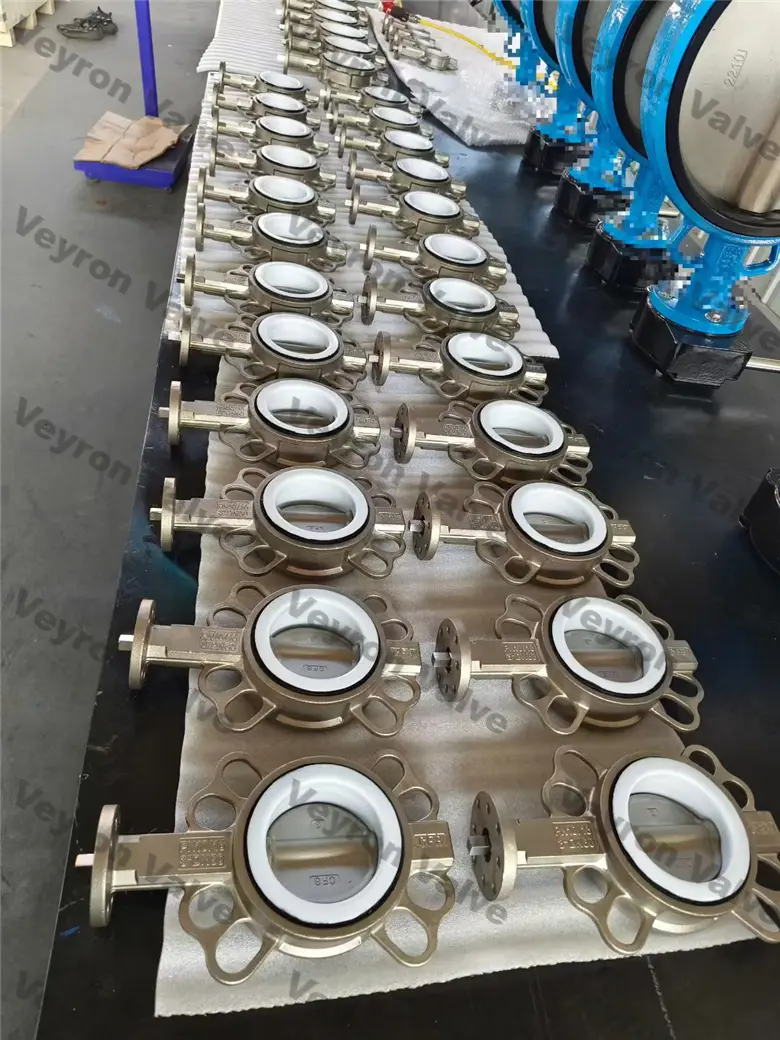
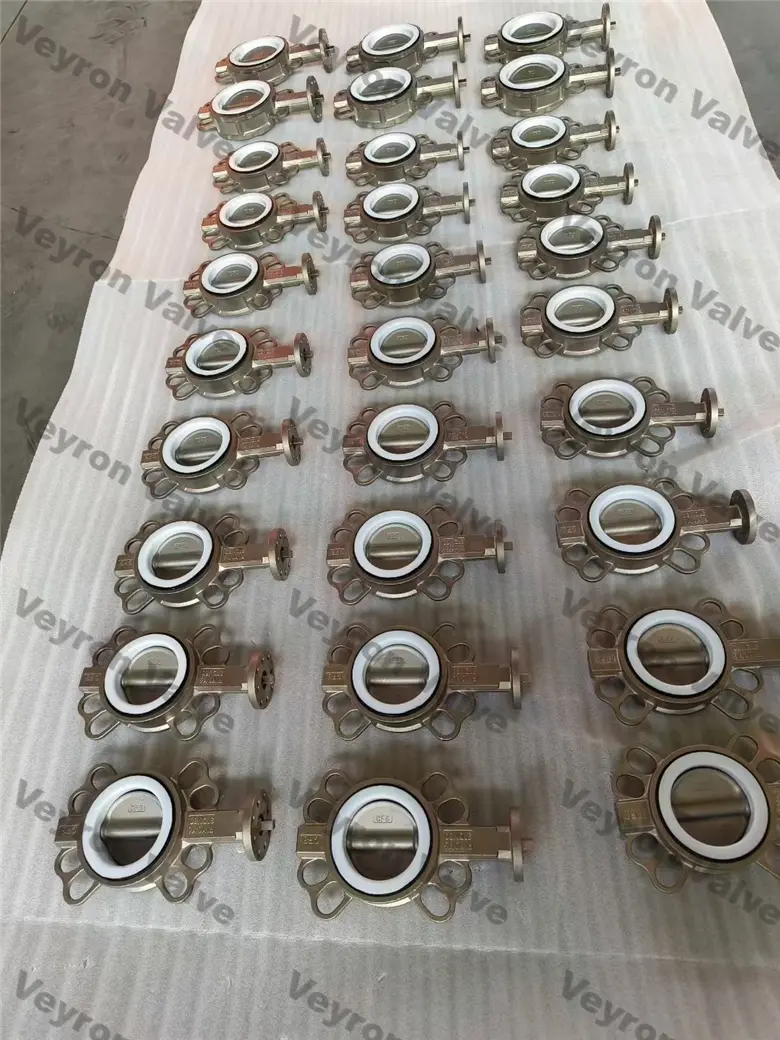
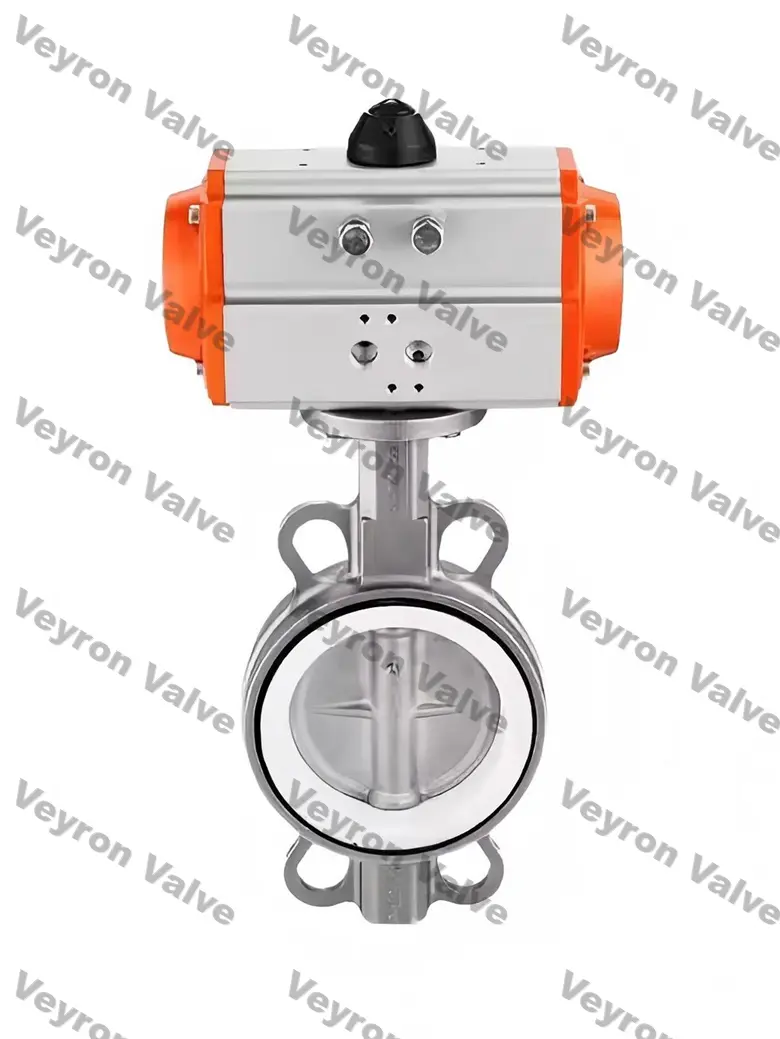
Long-Term Sealing Performance
A butterfly valve does not usually fail because of the body or the shaft — it fails at the seat. This valve pairs a stainless steel body and disc with a PTFE seat, and that combination is chosen for the part of the life cycle that matters most after commissioning. PTFE does not absorb water, does not swell in contact with aggressive chemicals, and does not take a compression set the way elastomers eventually do, so the interference between disc and seat stays predictable after hundreds of thousands of cycles rather than loosening off month by month.
The practical result is a valve that keeps its shutoff performance in continuous chemical and process duty instead of gradually weeping. Where lines carry acids, solvents or high-purity fluids, that difference shows up as fewer unplanned shutdowns for seat replacement, and a lower risk of product contamination through a leaking seat.
Cycling Stability and Operating Torque
Torque is the hidden cost in a butterfly valve installation: it decides whether the valve can be operated by hand, whether a smaller and cheaper actuator will do, and how much force the stem and bushings see on every cycle. PTFE has one of the lowest coefficients of friction among seat materials, so the seating torque stays low and repeatable. Combined with a stainless steel shaft in the sizes required by the DN50–DN600 range, the valve opens and closes smoothly across the full travel without the stick-slip behaviour that a worn rubber seat develops. Where the valve is actuated, this translates directly into a lower actuator torque rating, lower air consumption, and less stress on the mounting interface.
Maintenance: What Is Actually Needed
- Seat. The seat is the wear component and is replaceable. On a wafer valve, this means the line is isolated and the valve unbolted; the seat and disc can then be renewed without scrapping the body.
- Inspection interval. Typical practice is an annual check of the seat sealing face and stem seal on clean service, and a shorter interval on slurry or high-cycle duty.
- Stem seal. The stem O-ring is the second wear point; keep it in the spare parts list along with the seat for any critical line.
- Spares. Seats and stem seals should be stocked in the same size as the installed valve so a shutdown is not extended waiting for parts.
Working Conditions
Wafer body from DN50 to DN600, with a temperature capability spanning -25 °C to 200 °C depending on the PTFE compound and pressure class. Suitable media include water, chemical solutions, solvents and high-purity process fluids. Operation is available as bare shaft with hand lever, worm gear, electric, pneumatic or hydraulic.
Standards Compliance
Manufactured to ISO 10631, with flange and face-to-face dimensions matched to DIN, ANSI, GOST, JIS or BS on request. Each valve is shell-tested and seat-tested before dispatch, with records included in the shipment documentation.
Applications
Chemical dosing and transfer lines, pharmaceutical and sanitary process pipework, water treatment and desalination pre-treatment, and general process isolation where a compact face-to-face and low operating torque are required.
FAQ
How long does a PTFE seat last?
Seat life depends on media, temperature and cycle frequency rather than on calendar time. In clean chemical service with moderate cycling, PTFE seats routinely run for years; abrasive slurries shorten that considerably. Tell us your cycle rate and medium and we will give a realistic expectation.
Can the seat be replaced on site?
Yes. The seat is a replaceable component and can be renewed without replacing the body or disc.
Is the wafer body suitable for the end of a line?
No — a wafer valve needs flanges on both sides. Use a lug or flanged body for end-of-line service.
Which actuator do you recommend for DN300 and above?
Worm gear or electric actuation is normal practice at that size because the torque required makes a hand lever impractical.
Does the valve come with test certificates?
Shell and seat test reports are supplied as standard; third-party inspection can be arranged on request.
What do you need to quote?
Size, medium, concentration, operating temperature, pressure rating, connection standard and actuation.
Send your working conditions and we will confirm the seat compound and actuation for your duty.